
Wiki Cluster
Champions, Styles & Spins Explained
A clear, beginner-friendly breakdown of the Parkour Champions progression terms you’ll see everywhere: Champions, Styles, Spins, and Coins—plus how to spend without regret.
Start Here (If You’re New)
Ability Kits Change How Movement Feels
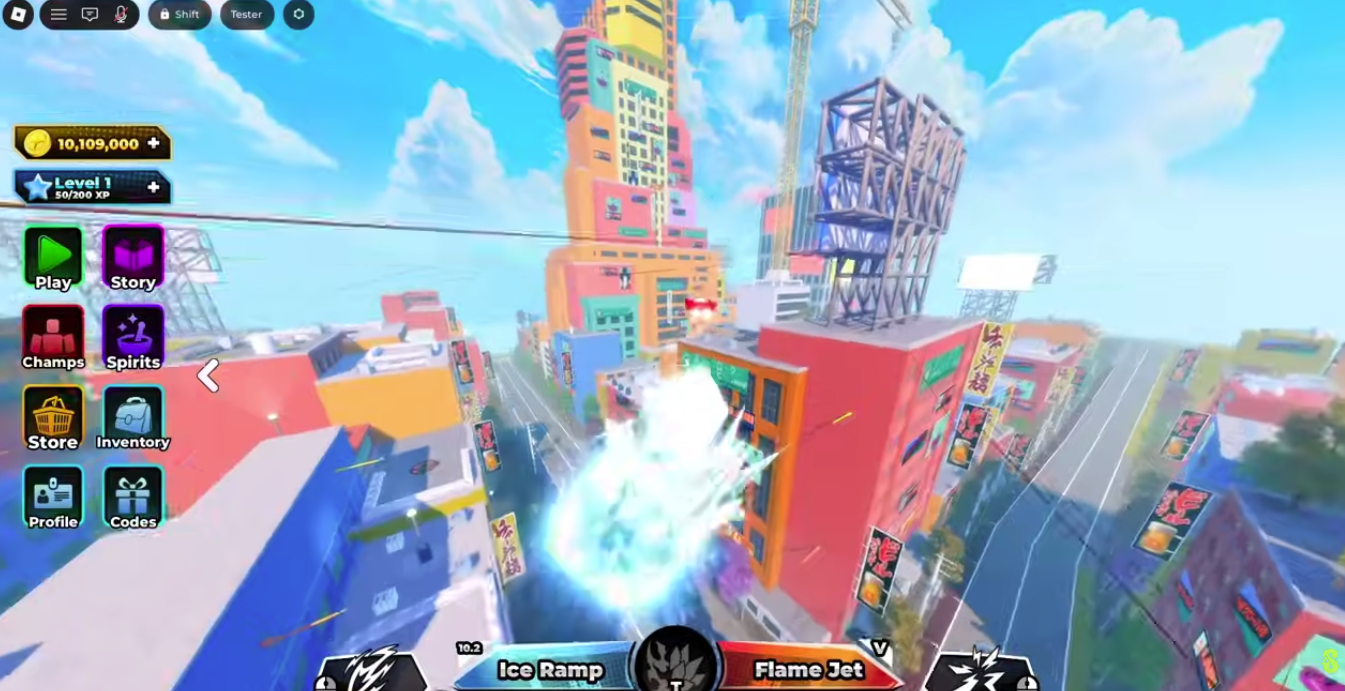
Why This Page Exists
Most Parkour Champions guides reuse the same vocabulary: Champions, Styles, Spins, and Coins. If you don’t understand those terms, you’ll waste resources and feel like the game is random.
This page focuses on practical understanding: what each term is for, how it fits the core loop, and what decision rules reduce regret.
The Core Loop (Systems View)
A simple way to understand Parkour Champions is to view it as a loop of “play → earn → unlock → play faster.” The game’s systems exist to support that loop, not to distract you from movement.
You play races, tasks, and story/act content to earn resources. Those resources are usually summarized as Coins and Spins. You spend them to unlock or improve your movement options. Then you test new options in real runs to see what makes you faster and more consistent.
If you keep that loop in mind, every system becomes easier. Coins and Spins are not the goal—they are tools to help you build a reliable movement kit.
Champions vs Styles (How to Think About the Difference)
Community descriptions often split your character setup into two layers: Champions and Styles. In many anime-inspired Roblox games, the “character” (Champion) represents a themed kit, while the “style” modifies movement abilities, cooldowns, and how your kit feels.
The key is that you shouldn’t chase names. You should chase behavior. Ask: does this setup help me keep momentum, recover from mistakes, and take tight routes without crashing?
From a training perspective, a good Champion/Style setup is one that makes you consistent. Consistency converts into speed because you stop losing runs to collisions and missed transitions.
What Are Spins?
Spins are commonly described as the game’s roll currency: you spend spins to roll for Champions, Styles, or related progression outcomes. Guides often mention different spin categories (for example: Champ spins, Spirit spins, Enchant spins, and “Super” versions).
You don’t need to memorize every category to make good decisions. What matters is the role of spins in your progression: they are how you expand your option pool.
A beginner-friendly approach is to treat spins as experiments. Each spin should either improve your core kit or teach you something about what movement behavior you prefer. If a spin doesn’t help your movement, it’s not “bad luck”—it’s feedback to adjust what you roll for next.
Coins (How They Usually Fit In)
Coins are the other major progression currency mentioned across guides. Coins tend to support spins directly or indirectly: they may be used to buy rolls, unlock features, or fund progression steps that matter for movement.
Because coins are easy to spend impulsively, treat them as a budget. Decide in advance how much you will spend on “core kit improvement” versus “experimentation.”
A simple rule is the 70/30 split: 70% of your spending goes toward keeping your run consistent (reliable movement options), and 30% goes toward exploring new kits. If you’re an advanced player, you might invert that split; if you’re a beginner, keep it conservative.
A Practical Spending Framework (So You Don’t Waste Resources)
Use these decision rules to avoid regret. They are intentionally general so they stay valid even when the game updates.
Rule 1: Redeem codes before spending. Codes can award coins and spins, so you want to see your true total before committing.
Rule 2: Change one variable at a time. If you roll a new option and immediately change your route, your settings, and your habits, you won’t know what caused your performance change.
Rule 3: Track outcomes, not hype. Don’t ask “Is this rare?” Ask “Did I finish three runs with fewer mistakes?” That is real performance improvement.
Rule 4: Keep one stable kit. Always maintain a stable setup that you know you can perform with. Use it to farm resources while you experiment with other options.
How Systems Connect to Skill (Movement as the Real Meta)
Many descriptions of Parkour Champions emphasize fluid movement actions: dash, swing/grapple-style mobility, wall running, slides, dives, and ability-based movement bursts. Regardless of the exact kit names, your speed comes from chaining those actions with good timing and direction control.
That’s why systems knowledge matters: when you understand what a kit is supposed to do, you can practice the correct chain. For example, a kit that excels at vertical changes should be practiced on routes with elevation transitions; a kit that excels at horizontal movement should be practiced on routes with long straight sections and controlled turns.
When you align practice with kit behavior, your learning becomes faster and less frustrating.