
Wiki Cluster
Fast Coins & Progression (Parkour Champions)
A progression guide for Parkour Champions [BETA] by Studio 8K: how to earn resources efficiently, how to spend them with low regret, and how to keep momentum improvement as your main goal.
Do This First
Daily Quests and Coin Rewards
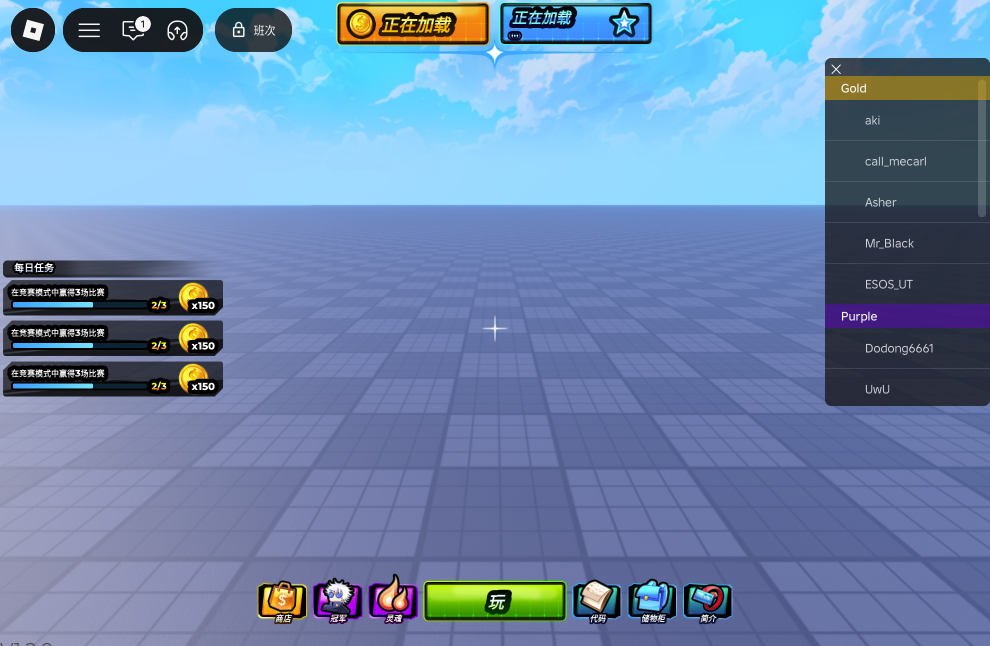
Progression Warning (Don’t Farm the Wrong Thing)
A lot of time is wasted by farming without a purpose. Your goal is not maximum Coins per hour at all costs—your goal is to get better at movement while earning enough resources to unlock a stable kit.
If a farm route makes you repeat bad movement habits, it can slow your long-term progress even if it’s slightly faster short-term.
What Progression Usually Looks Like
Across community descriptions, Parkour Champions progression is often summarized as: do tasks, story/act content, and races to earn Coins/Spins; unlock Champions and Styles; then repeat runs with better control and speed.
This means you are always doing two things at once: improving your movement skill and improving your kit options. The most efficient path is to align those goals rather than treating them separately.
So this guide focuses on two questions: (1) What activities reliably produce resources while training movement? (2) What spending rules minimize regret and accelerate skill growth?
The Fastest ‘Free’ Progression: Codes
Before you farm anything, redeem all currently working codes. Codes are the only source of progress that costs you no time in the map and no risk in races.
Many code lists suggest rewards like Coins and different types of Spins. Those rewards can be the difference between being stuck with limited options and being able to test several setups quickly.
The best habit is to bookmark the Codes & Updates page and check its last-verified timestamp. Redeem first, then plan spending based on your total.
Earning Coins: A Practical Activity Order
Even without exact numeric rates (which change across updates), you can choose activities that make sense based on how movement games reward consistency.
Start with activities that (a) finish quickly, (b) you can repeat without getting lost, and (c) teach transferable movement skills. For many players, that means a mix of short races and straightforward tasks rather than long, complex routes that are easy to fail.
If the game offers story/act progression, treat it as structured practice. Story steps often guide you through movement scenarios and can serve as a training program that also produces rewards.
Once you are consistently finishing, then you can add higher-risk shortcuts and more advanced routes. The key is that your farming should scale with your consistency.
Spending Priorities (A Low-Regret Budget)
Your spending should serve one of three purposes: improve consistency, improve recovery, or expand route flexibility. Anything else is entertainment—and that’s fine, but it shouldn’t consume your whole budget early.
A simple budget system is: Core kit fund (70%), Experiment fund (30%). Your core kit fund supports whatever setup you can complete runs with reliably. Your experiment fund supports trying new Champions/Styles to discover better options.
If you’re constantly switching setups, you will slow down because you never build muscle memory. If you never switch setups, you may plateau. The budget system balances both.
What to ‘Farm’ Besides Currency: Consistency
The fastest players are often the most consistent players. That means your real farm target is: fewer crashes per run, fewer full stops, and smoother transitions.
Track one metric during farming sessions: clean finishes per hour. If you can complete more clean runs, you are improving and earning resources. If you are failing repeatedly, you are not farming—you are gambling on a perfect run.
This is why control practice and route practice matter. Even if you are not “winning” races yet, finishing cleanly improves your progression speed because you stop wasting time on resets.
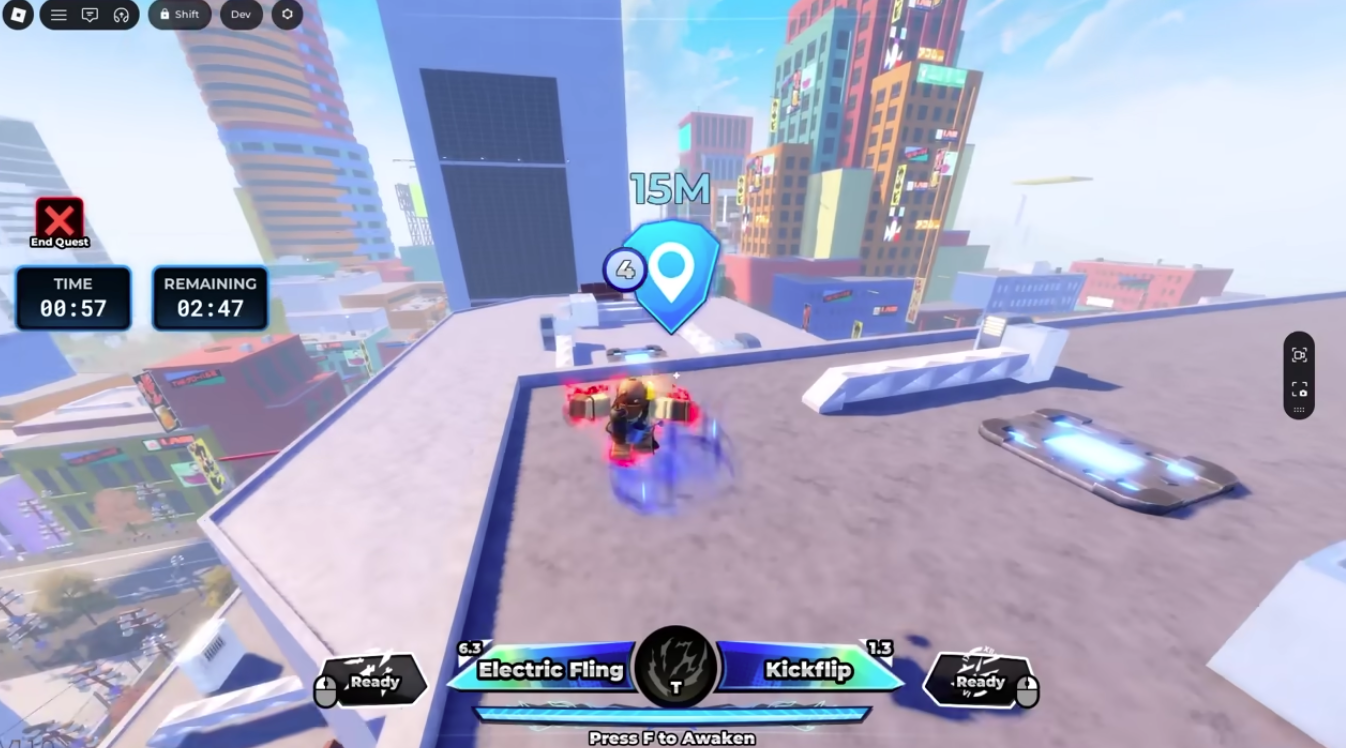
Quest Objective Marker (Time Pressure Example)
A 7-Day Progression Plan (Repeatable and Simple)
- Day 1: Redeem all codes. Practice controls for 10 minutes. Do a few short runs focusing on clean finishes.
- Day 2: Choose one stable kit and one practice route. Run it 10 times. Spend only a small portion of resources on experiments.
- Day 3: Add one new shortcut and test it with a three-run method (safe route, shortcut, shortcut repeat).
- Day 4: Do story/act content (if available) as structured movement training. Keep your stable kit.
- Day 5: Re-check codes and official announcements. Update your last-verified notes if you redeem new codes.
- Day 6: Evaluate your kit using a simple metric: fewer crashes and faster clean times. Adjust only one variable.
- Day 7: Farm your best consistent route for resources and confidence, then experiment with one new option.