
Wiki Cluster
Snowite vs Iceite (Frostspire)
Both are “ice zone” options, but they win fights differently. Use this page to pick control that matches your weapon plan and the fights you take.
Go Back / Go Deeper
Frostspire Context (The Zone These Picks Come From)
The Real Choice: Soft Control vs Hard Control
Most comparison pages fail because they compare names instead of effects. The useful comparison is: do you want soft control (slow) or hard control (freeze/lockdown)?
Snowite is commonly described as a weapon-only on-hit slow proc that reduces movement and attack speed for a short duration. That’s soft control: it makes opponents worse at what they are already trying to do.
Iceite is commonly discussed as a freeze-style effect. That’s hard control: it creates a moment where the opponent can’t do what they want at all. Hard control can win fights instantly, but it often depends on timing and matchup.
This page helps you choose based on scenarios and weapon plan, not on “which ore is rarer”.
Quick Comparison (Conceptual)
| Pick | Control Type | Best When | Tradeoff |
|---|---|---|---|
| Snowite | Soft control (slow) | You want sticking power over time; you land many hits; you win by pressure | Proc-based; weapon-only |
| Iceite | Hard control (freeze-style) | You want bursts of lockdown to stop escapes or set up combos | Details vary by update; may be less consistent vs mobile targets |
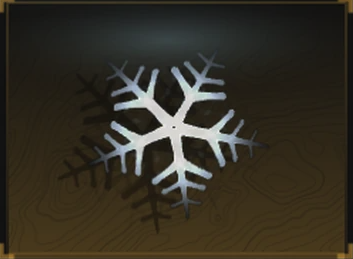
Snowite Visual ID (So You Don’t Mix Up Ores)
How to Choose (A Simple Rule)
Pick Snowite when your weapon plan is about sustained contact: chasing, duels where you trade hits, or any build that benefits from making opponents “feel slower” repeatedly.
Pick Iceite-style hard control when you need moments of shutdown: stopping a dash/escape, creating a window to heal/reposition, or setting up a big damage sequence.
If you’re not sure, ask yourself one honest question: do my fights usually last long enough for repeated procs to matter, or do they hinge on one or two key moments? Long fights usually favor Snowite’s soft control; key-moment fights usually favor hard control.
Scenario Guide (Choose Based on What You Actually Do)
Open-area chases: Snowite tends to feel better. Slowing movement repeatedly makes it harder for opponents to reset distance, and the attack-speed slow can reduce their ability to “turn and burn” while running.
Tight corridors or set-piece fights: hard control can be stronger. If the environment forces close contact and the fight is about one decisive exchange, freeze-style windows can create guaranteed turns.
Outnumbered fights: soft control often helps you kite and create spacing. If a slow triggers, it can reduce incoming pressure and give you time to reposition. Hard control can also help, but it requires your timing to be perfect.
Group focus fights: both can work. Soft control makes a target easier to track and stay on; hard control creates a burst window where the team can delete the target. Choose based on your team’s coordination and burst potential.
Snowite Decision Signals
- ✓You prefer fast weapons or hit often (more chances to trigger the slow).
- ✓You fight in open space where chasing matters.
- ✓You’re okay committing Snowite to a weapon (weapon-only trait value).
- ✓You value consistent pressure more than single big moments.
- ✓You want a trait that still helps even when enemies are not perfectly predictable.
Iceite Decision Signals
- ✓You need reliable “stop” moments more than gradual pressure.
- ✓Your playstyle revolves around timing windows (freeze → burst).
- ✓You value one big swing over many small advantages.
- ✓You prefer slower, heavier hits where a hard-control window is easier to cash in.
- ✓You fight targets that rely on one key escape or mobility tool you want to deny.
How to Validate Your Pick (Without Wasting Materials)
First, test the control type in real fights before you commit rare ore. If you can borrow or preview a similar effect, do it. If you can’t, craft a conservative recipe that preserves baseline power and only adds the control ingredient.
Second, measure “fight shape”, not just win/loss. Did you stay in range more often? Did opponents escape less? Did you take fewer hits because their tempo dropped? Those signals tell you the trait is doing work.
Finally, revisit the pick after updates. A small timing change can shift whether soft control or hard control feels better. That’s why this cluster includes a calculator workflow and a tier framework you can reuse.
Next Step (Make the Pick Real)
After you choose a control style, use the calculator workflow to test 2–3 recipes and keep only the recipes that stay consistent across your expected fight length.