
Wiki Cluster
Universal Tower Defense Tier List & Meta (UTD)
A practical meta guide: roles, upgrade priorities, and tier list logic that stays useful across patches.
Meta Is a Team Plan, Not a Single Unit

Video: UTD Meta / Tier List Breakdown
How This Page Is Structured
First: a role-based meta plan (what your team needs to win runs consistently).
Second: a tier list framework (S/A/B/C/D meaning).
Third: upgrade and trait rules (what to invest in first).
Meta Roles (The Fastest Way to Build a Team)
Most players look for a Universal Tower Defense tier list because they want “best units”. The more reliable approach is: build a team by role, then choose the best available unit for that role. A perfect S-tier unit doesn’t help if you have no economy, no air coverage, or no support utility.
A simple meta structure that works across many tower defense games is: Farm (economy) + Core DPS (ground) + Air coverage (air DPS or hybrid) + Support (buff/slow/control). When you have that skeleton, tier lists become clear: you’re not comparing everything to everything; you’re comparing the best options inside each role.
Meta vs Tier List: What You’re Actually Optimizing
A tier list is a ranking. A meta guide is a plan. In UTD, your goal is usually not “pick the highest tier unit”; your goal is “clear waves reliably with the least risk.” That depends on economy timing, upgrade pacing, and covering the wave types that punish leaks.
When you build a meta plan, define the run in three phases. Early: stabilize lane control and start economy. Mid: scale damage so you don’t fall behind wave HP. Late: prevent leaks under pressure (air, fast enemies, bosses) and amplify your strongest DPS with support.
This page focuses on decision rules that stay useful even when patch balance changes. If a patch moves a unit from S to A, the role plan still holds: you still need economy, you still need air coverage, and you still need a way to scale.
Role Plan (Fill This With Your Best Available Picks)
| Role | What it does | Priority | Notes |
|---|---|---|---|
| Farm / Economy | Generates income so you can scale upgrades | Very High | Get economy online early; most runs fail due to weak mid-game scaling. |
| Ground DPS | Primary wave clear for ground lanes | High | Prefer consistent damage over rare burst if you’re learning. |
| Air DPS / Hybrid | Prevents air leaks; covers mixed waves | High | If you lack air coverage, even strong ground DPS will lose runs. |
| Support / Control | Buffs, slows, or utility that multiplies your DPS | Medium-High | Support is often what turns a “close” run into a consistent win. |
Tier List Framework (What S/A/B/C/D Should Mean)
Tier lists are only useful if the tiers are defined. Use this framework to keep rankings honest when patches land.
S-tier should mean “high impact in most maps and comps” or “best-in-role with strong flexibility.” A-tier is “strong and reliable, slightly less flexible.” B-tier is “good with the right comp or investment.” C-tier is “niche or outclassed.” D-tier is “mostly for fun or collection.”
How to Rank Units (A Simple, Repeatable Method)
If you maintain a tier list, rank units against real scenarios instead of vibes. A good checklist is: (1) early game value (does it stabilize waves before you’re rich?), (2) scaling value (does it keep up when HP increases?), (3) coverage (ground, air, or both), (4) consistency (does it require perfect placement or timing?), and (5) comp dependence (does it require specific support to function?).
Another useful axis is upgrade efficiency: how much power you get per investment. If two units are close in damage, the cheaper upgrade path is often better for most players because you can reach it more frequently.
Many guides also discuss timing stats like SPA (attack interval) and trait interactions. Even if you don’t list every number, the principle is consistent: upgrades and traits that improve cycle time and reliability often outperform small raw damage bumps.
Tier List Snapshot (Update Per Patch)
| Tier | Definition | Role fit |
|---|---|---|
| S | Top impact + flexible across comps | Often best-in-role |
| A | Strong, reliable, easier to use | Great default picks |
| B | Needs comp support or higher investment | Situational |
| C | Niche or power-crept | Use if you enjoy it |
| D | Hard to justify vs alternatives | Collection/experiment |
Upgrade Priorities (What to Improve First)
If you’re optimizing a run, upgrades should follow the bottleneck. Early game bottlenecks are usually economy and basic wave clear. Mid-game bottlenecks are usually mixed waves (air + ground) and scaling. Late game bottlenecks are usually boss pressure and leak prevention.
A safe progression rule is: stabilize economy → stabilize wave clear → add support that multiplies your core DPS. When you have extra resources, that’s when you invest in high-ceiling upgrades and trait optimization.
Think in Bottlenecks (Early → Mid → Late)
Common Meta Questions (Answered as Rules)
When should you buy farm/economy? As early as you can without leaking. A safe rule is to place one stable defender first, then start economy, then alternate between scaling economy and scaling damage based on wave pressure.
When should you add air coverage? The moment air waves become a threat. Many runs feel fine until the first serious air check; after that, you can lose instantly to leaks. If you lack dedicated anti-air, prioritize hybrids that can cover both.
When is support worth it? Support becomes high value once you have a core DPS worth amplifying. If your DPS is weak, buffing it won’t save the run. If your DPS is strong but barely short of clearing, support is often the difference between failure and consistency.
Traits, Rerolls, and Why Codes Help
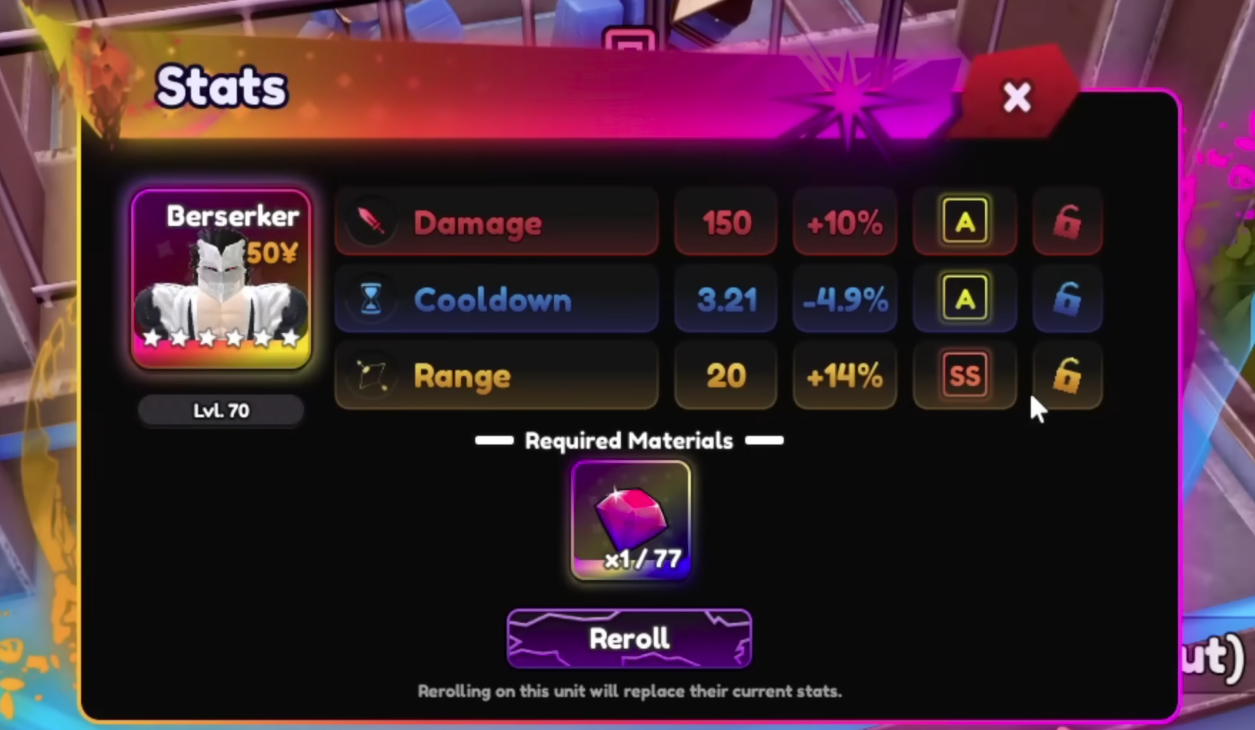
Many UTD codes reward trait rerolls, stat rerolls, or locks. Treat those as a way to reduce randomness on your best units, not as a reason to reroll endlessly.
Use rerolls only after you have chosen your “core” unit per role. If you don’t know what to target, start with your most-used DPS and your key economy piece, then improve consistency first.
Meta Maintenance (How to Update This Page After a Patch)
If a patch lands, don’t rewrite everything. Update in layers. Layer 1: write a one-line summary of what changed (economy nerf, air buff, trait change). Layer 2: update role recommendations if a role got harder (for example, “air checks happen earlier now”). Layer 3: update any tier notes if a unit moved roles or lost consistency.
This approach works because most players aren’t asking for perfect rankings; they’re asking for safe decisions. If you keep the role plan and bottleneck rules accurate, your tier list stays useful even when specific unit ordering changes.